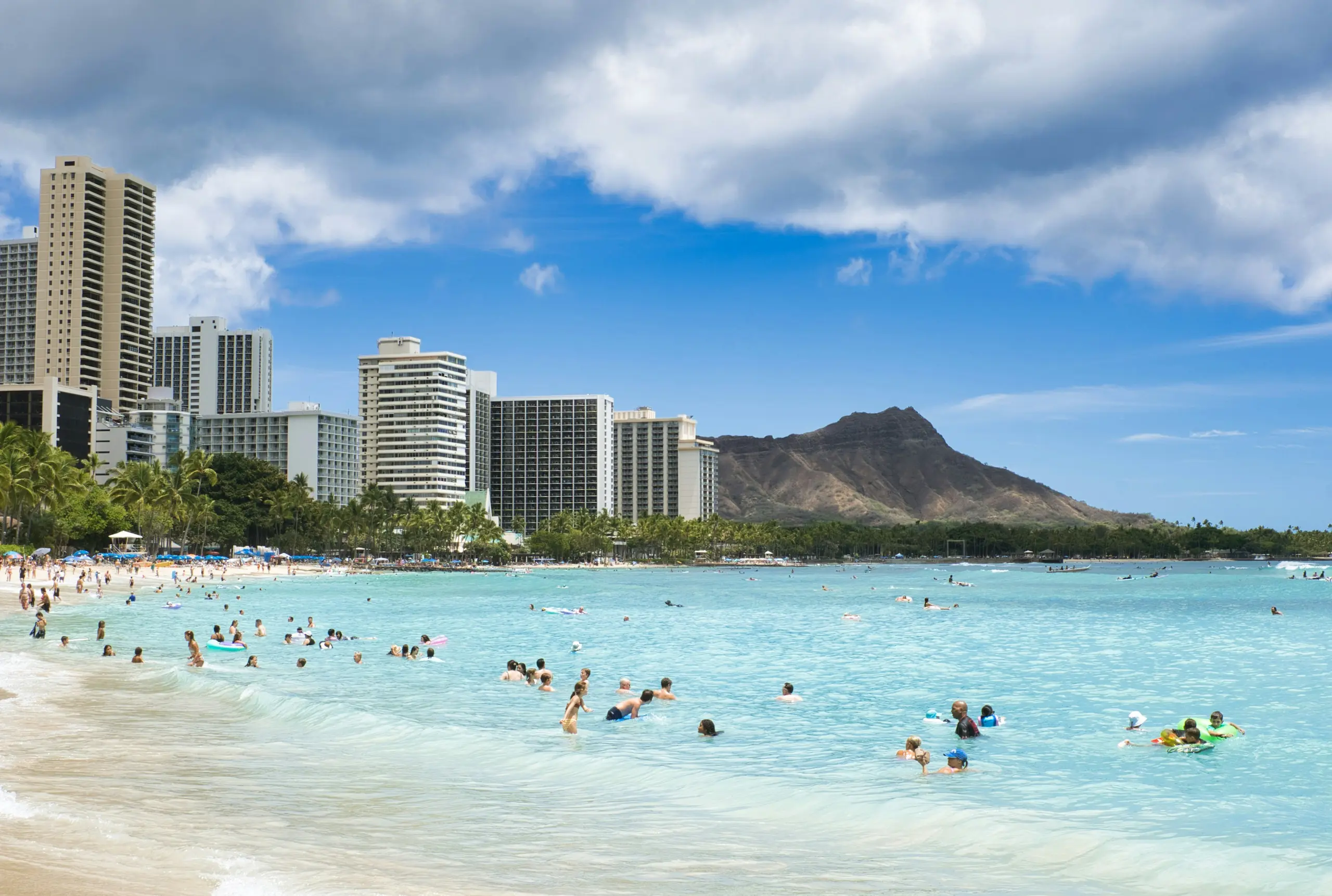
Hawaii has a hotel pricing problem. The Wailea and Waikiki resort strips charge $600–$1,200 per night for rooms that, objectively, are not delivering $1,200-per-night experiences. The brand names are there, the beachfront access is there, and the pool bar is perfectly nice — but you’re paying a location premium that has compounded over two decades of increasing demand.
The alternative is knowing which properties and locations deliver genuine beach access and quality service at 40–60% of the resort strip price. They exist, and they’re not a compromise once you find them.
Maui: Stay in Kihei, Not Wailea
Kihei and Wailea are 10 minutes apart on South Maui. Wailea is the resort corridor — Four Seasons, Grand Wailea, Andaz. Kihei is a beach town with condos, smaller hotels, and restaurants that serve locals and repeat visitors who’ve figured out the math. The beaches in Kihei are the same Pacific Ocean as Wailea. The sunsets are identical. The snorkeling at Kamaole Beach Park is excellent.
Vacation rentals and smaller boutique properties in Kihei run $150–$300 per night for oceanfront or ocean-view access. That’s a meaningful difference from the resort strip.
Condo vs. hotel in Hawaii: For stays of four nights or more, a condo rental often beats a hotel room on both price and practicality — you have kitchen access (Hawaii grocery shopping is an activity), laundry, and more space. The major condo complexes on Maui have been doing this for 40 years and the management companies are professional.
Oahu: Kailua Over Waikiki
Waikiki is the right base for a first-time Oahu visitor — the convenience is unmatched and the beach itself is beautiful. But for a second trip, or for travelers who actively want to be away from the tourist corridor, Kailua on the windward coast is a completely different experience. A small town with local restaurants, a farmers market, and Kailua Beach — one of the most beautiful stretches of sand in the state — with fewer people than any beach on the Waikiki side.
Accommodations in Kailua are almost entirely vacation rentals — there are no large hotel properties here by town ordinance. That limitation is precisely what keeps the area manageable.
Big Island: The East Side Alternative
The Kohala Coast resort strip on the Big Island’s west side has the same economics as Maui’s Wailea. The east side — Hilo and the Hamakua Coast — offers a completely different Hawaii: rainforest, waterfalls, farmers markets, and accommodation that reflects the quieter pace of the island’s non-resort economy. If your priority is experience over beach access, the east side offers it at half the price.
Hawaii Accommodation Value Tips
- Book direct: Many Hawaii condo management companies discount 10–15% for direct bookings vs. OTA
- April–early June: The best weather window and lower rates than Christmas/January or summer peak
- Shoulder-season deals: September and October (avoiding hurricane season risk) offer the lowest annual rates
- Resort fee warning: Major Waikiki and Maui resort hotels add $40–$60/night in resort fees on top of the room rate; factor this into comparison pricing
- AAA/AARP: Major Hawaii hotel chains offer 10–20% discounts through these memberships
What “Oceanfront” Actually Means
In Hawaii hotel marketing, “ocean view” can mean anything from a direct waterfront perspective to a sliver of blue visible between two buildings if you stand in a specific corner of the balcony. The distinction between oceanfront, ocean view, partial ocean view, and garden view is meaningful and worth confirming before booking. Ask the hotel directly which rooms have an unobstructed view from the bed.

Europe on Film — Photography & Travel Guide
A photography and travel guide to 12 European destinations — shooting locations, timing, logistics, and the lesser-known spots that don't make the highlights reel.
Get the Ebook — €18 →