Photography transcends location and equipment. You can create interesting perspectives that will captivate your audience with the art of composition — and you can do it with a smartphone just as effectively as with a $3,000 mirrorless camera. The difference is always in the eye, not the gear.
These are the principles I come back to every time I’m on location — not a checklist, but a way of seeing.
Rule of Thirds
Rather than centering your subject, offset them slightly — imagine your frame divided into a 3×3 grid and place your subject along one of those lines or at the intersection points. This incorporates the surrounding environment while keeping the subject prominent, creating a visual tension that draws the eye.
The rule of thirds works particularly well for landscape shots where you want to emphasize either sky or foreground — placing the horizon at the upper or lower third rather than cutting the frame in half.

Leading Lines
Paths, roads, rivers, fences, staircases, railway lines — these guide the viewer’s eye directly to your focal point without them realizing it. Leading lines create depth, make a flat image feel three-dimensional, and give the viewer’s eye a natural journey through the frame.
The best leading lines converge toward your subject. Look for them in architecture, nature, and urban environments — they’re everywhere once you start noticing.
Framing with Natural Borders
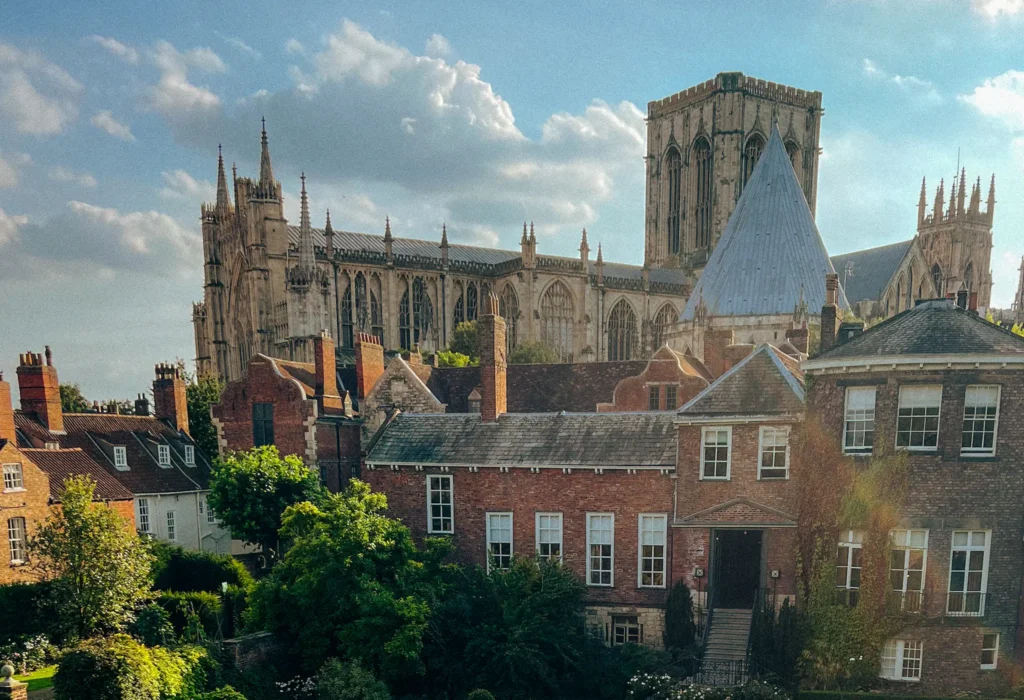
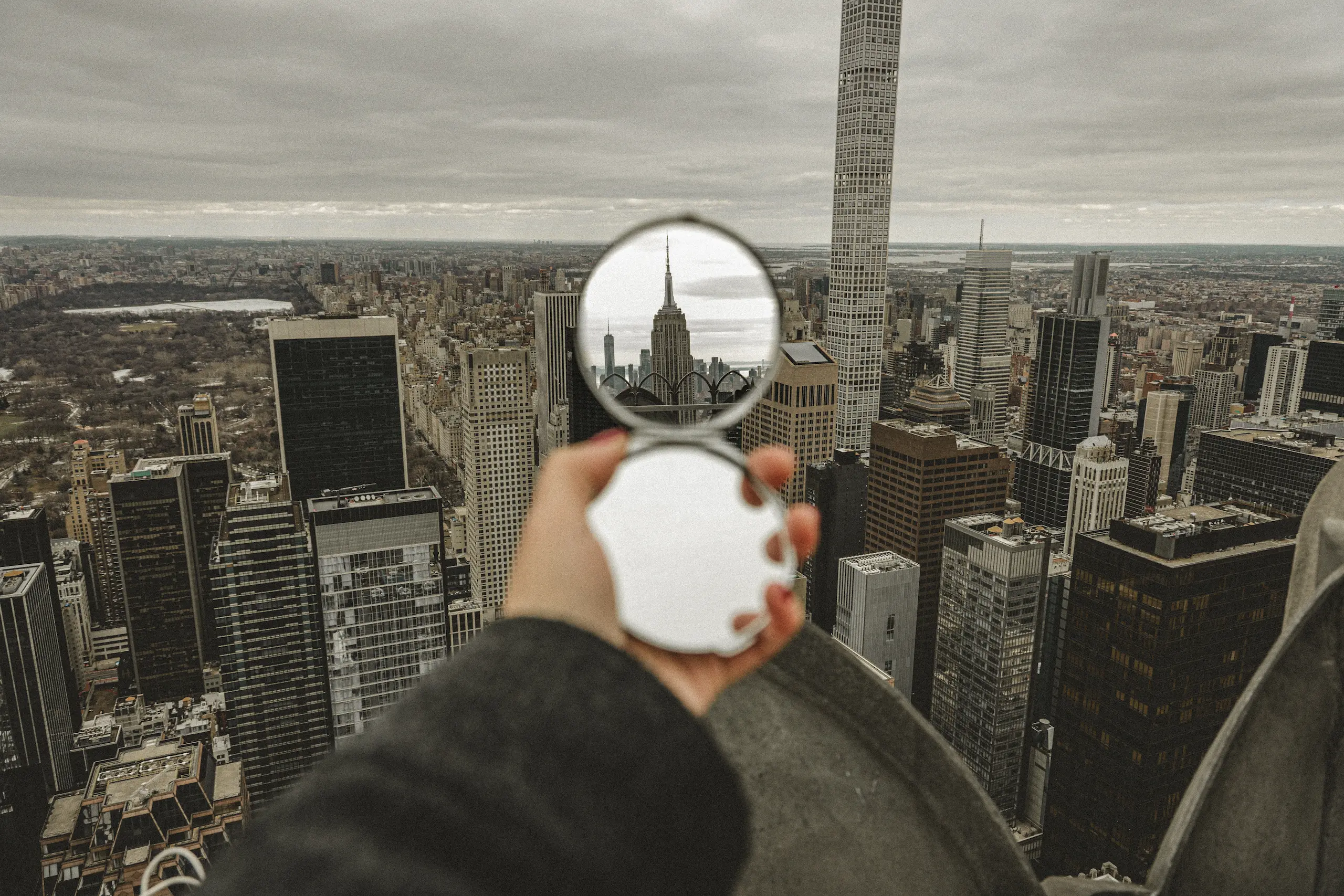
Step back and assess what surrounds you before pressing the shutter. Doorways, windows, tree canopies, rock formations, bridges, arches — all of these create natural frames that add context and direct attention to your main subject.
Framing also adds depth layers to an image: foreground frame, middle subject, background environment. Three layers almost always outperform two.
Negative Space
Leaving empty space around your subject builds mood and emphasizes what matters. A lone figure against an enormous sky. A small boat on a vast ocean. A building isolated against fog. The negative space isn’t emptiness — it’s the weight that gives the subject meaning.
Coastlines, skies, and open fields work particularly well for this. The constraint is fighting the urge to fill the frame.
Symmetry
Reflections on water provide perfect symmetry naturally. Architecture, tunnels, pathways lined with trees — these offer it compositionally. Symmetrical compositions are inherently satisfying to the eye, and the slight imperfections of the real world make them more interesting than perfect digital symmetry.
Shoot from Different Angles
The biggest mistake is consistently shooting at eye level. Get low — kneel, lie down, press your camera against the pavement. Get high — climb, find a balcony, use a ladder. Look for the angle that nobody else took, because that’s the angle that makes the image feel new even in a place that’s been photographed a thousand times.

My personal shooting formula: Clean background → Detail shot → Leading line → Low angle → High angle → Framed composition → Rule of thirds. Working through this sequence on every location ensures I’m not leaving shots behind.
It’s Not About the Gear
Quality photography doesn’t require expensive gear. Even smartphones produce compelling images when composition principles are applied consistently. The most important camera is the one you have with you, used with intention.