Camera recommendations age quickly, and most of what’s written about travel cameras is either spec-sheet comparison or affiliate-link driven. This is neither. These are the cameras we’ve used on location and the categories that make sense depending on what kind of travel photography you’re doing.
The Case Against the Biggest Camera You Can Afford
The common mistake is buying toward maximum image quality without accounting for the friction of carrying it. A 1.5kg full-frame body with a 24–70mm f/2.8 will produce extraordinary images — that you take fewer of because it’s heavy, conspicuous, and tiring to carry all day. The best travel camera is the one that goes everywhere with you. That changes the calculus significantly.
Best Full-Frame: Sony A7C II
The A7C II packs a full-frame 33MP sensor into the smallest and lightest full-frame body currently available. For travel, the size advantage is real — it doesn’t dominate your bag or signal “expensive camera” to everyone around you. The autofocus is class-leading, the in-body stabilization handles handheld shooting in low light, and the Sony lens ecosystem is the deepest in mirrorless. It’s not cheap, but it’s the right call if you’re serious about image quality without the size penalty.
Our travel kit: Sony A7C II with the 35mm f/1.8 for general shooting and the 85mm f/1.8 for portraits and detail work. Both lenses are compact and affordable relative to the G Master line. Total kit weight under 1.5kg.
Best APS-C: Fujifilm X-T5
The X-T5 has a 40MP APS-C sensor — more resolution than most full-frame cameras. The Fuji color science (particularly the film simulations like Classic Chrome and Eterna) produces JPEG files that many photographers shoot straight without post-processing. The body is compact, the dials are physical (ISO, shutter speed, exposure compensation all controlled by dedicated knobs rather than menus), and the lens lineup is excellent.
For photographers who want great image quality without full-frame bulk or full-frame prices, this is the strongest current option.
Best Compact: Ricoh GR IIIx
The GR IIIx is a fixed-lens compact with an APS-C sensor and a 40mm equivalent lens — the most pocketable serious camera available. It fits in a jacket pocket. On the street, in markets, in restaurants, it’s invisible in a way that larger cameras never are. The image quality is exceptional for the size. It won’t replace a zoom for landscapes or a telephoto for wildlife, but as a travel companion for documentary and street work, nothing touches it.
Camera Selector by Travel Type
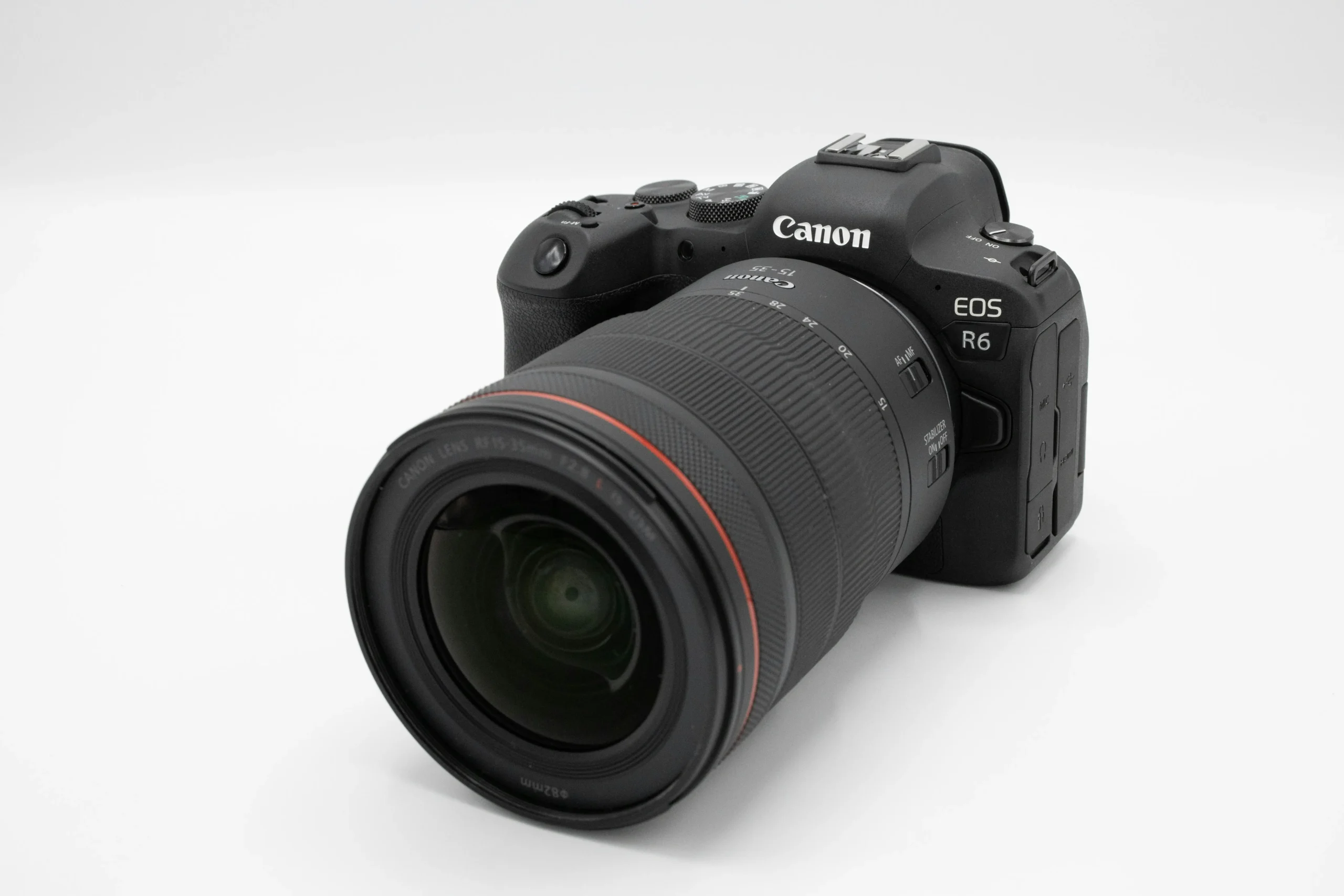
- Landscape / architecture: Full-frame for dynamic range and resolution — Sony A7C II or Canon R6 Mark II
- Street / documentary: Compact or small mirrorless — Ricoh GR IIIx or Fujifilm X100VI
- Video + stills hybrid: Sony ZV-E10 II or Canon R50 — both affordable APS-C with strong video specs
- Backpacking (weight matters most): Fujifilm X-T5 or the GR IIIx; every gram counts over 20km
- Budget: Sony A6400 (used) — 5 years old, still excellent, body available under $700