After four years of full-time travel photography and videography, I’ve tested a lot of camera systems. The question I get most often is about gear — and the honest answer is more nuanced than “buy the best mirrorless you can afford.”
What you actually need depends on how you answer these questions before buying anything:
- Is this for videography, photography, or both?
- Will you use it professionally or for personal documentation?
- Do you prefer a film or digital aesthetic?
- What’s your budget (body + lenses)?
- Do you need waterproofing?
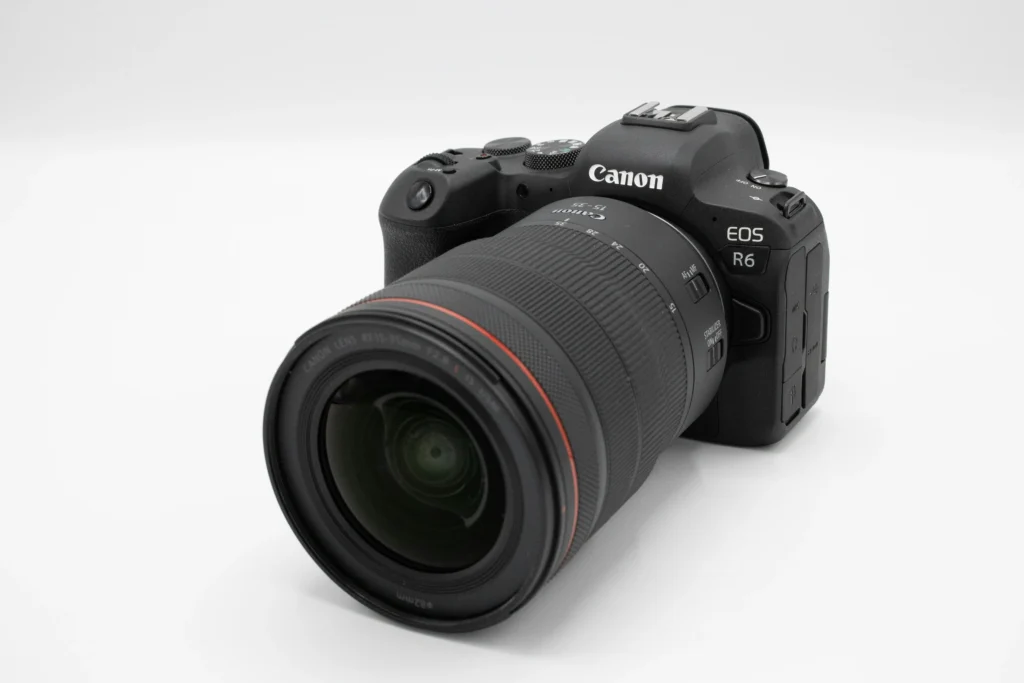
Canon R6 Mark II — Primary Choice for Most Travelers
This is the camera I carry everywhere. It’s exceptional in low light situations — the kind of dimly lit restaurants, evening streets, and interior shots that a lot of travel photography involves. The in-body image stabilization handles movement from hiking, markets, and handheld video with professional results.
Key specs that matter for travel:
- 40fps burst shooting (useful for action, markets, street photography)
- 4K 60p video (genuinely cinematic output)
- Low-light performance down to ridiculous ISO levels
- Dual card slots for backup in the field
- Weather sealing
It functions effectively as a two-in-one — equally capable as a photo and video tool, which matters when you’re traveling with limited space and don’t want to carry two systems. The main tradeoff is that quality lenses are heavy and expensive. A 24-105mm f/4 is the lens I’d pair with this for everything.
My Canon R6 Mark II Travel Kit
- Canon R6 Mark II body
- Canon RF 24-105mm f/4 L IS USM (main lens)
- ND filter set (essential for daylight video)
- 4× SD cards (minimum)
- 2× batteries + grip or charger
- Portable ND filter for handheld shots
Canon Rebel 2000 — Film Camera for Travel
When I want film aesthetics without the Lightroom work, I carry a Canon Rebel 2000 (35mm). It’s lightweight, has automatic film loading, built-in flash, auto exposure with manual override, and uses EF lenses — so you have access to affordable glass. The learning curve is minimal for anyone who’s used a digital camera.
I shoot Kodak Portra 400 for most daylight conditions and switch to Kodak Gold 200 for high-light situations. Film forces intentionality — you have 36 frames per roll — and that constraint consistently produces better results than shooting 1,000 digitals and finding 3 you like.
GoPro Hero 11 — Underwater and Adventure Situations
The Hero 11 has a genuinely large sensor for an action camera — 27MP stills and 5.3K 60p video. The 10-bit color is surprisingly strong. I’ve had clients ask if footage shot on this was from a cinema camera. For waterfall swimming, snorkeling, coastal adventures, and any situation where protecting a mirrorless isn’t realistic, this is the tool.
Weight and size considerations make this worth keeping in the bag even if you rarely use it — when you need it, nothing else works.
Bottom line: For most serious travel photographers and videographers, the Canon R6 Mark II + 24-105mm f/4 handles 90% of situations exceptionally well. Add a film camera for variety and a GoPro for extreme conditions, and you have a complete travel kit that covers everything.