Colorado has 58 peaks over 14,000 feet, thousands of miles of maintained trail, and a hiking culture that takes itself seriously. The range of difficulty is genuine — some of the best hikes in the state are accessible to anyone in reasonable shape; others require technical skills, acclimatization, and experience at altitude. This guide covers both ends of that spectrum.
Beginner: Rocky Mountain National Park
RMNP is the entry point for Colorado hiking for good reason. The Bear Lake area offers paved and gravel trails with minimal elevation gain, big mountain views, and accessible facilities. Bear Lake to Nymph, Dream, and Emerald lakes is a classic loop — 3.6 miles, 605 feet elevation gain, genuinely spectacular at each lake. Trail Ridge Road (open June–October) gives non-hikers access to alpine tundra at 12,000 feet by car.
The park requires timed entry permits in summer from late May through October. Book these at recreation.gov as soon as they open — they sell out weeks ahead.
Intermediate: Hanging Lake, Glenwood Canyon
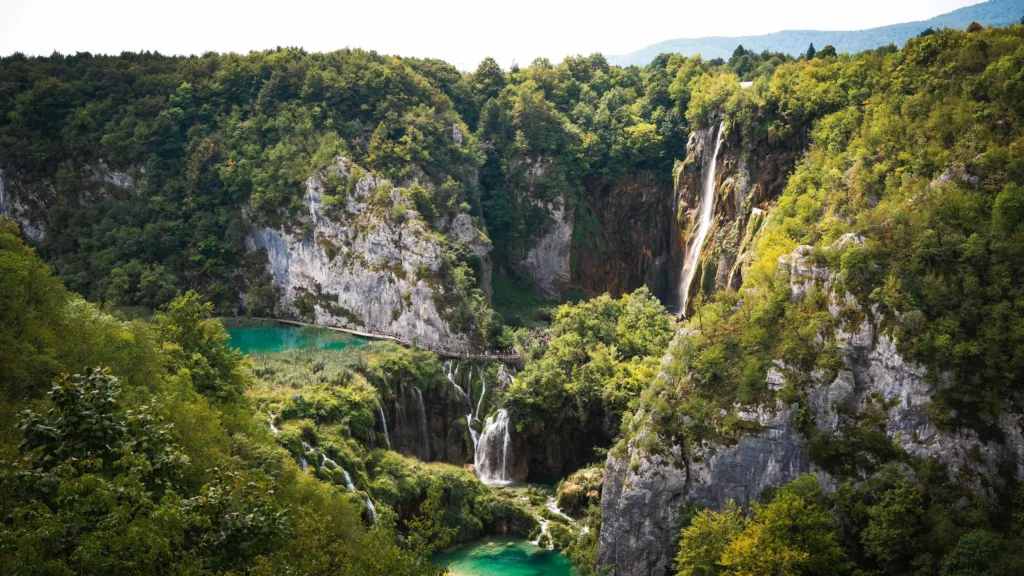
Hanging Lake is one of Colorado’s most photographed destinations — a turquoise lake hanging in a cliff bowl fed by waterfalls. The trail is 2.4 miles round trip, but it’s steep (1,000 feet in a mile) and the permit system is strict: timed entry, shuttle required from Glenwood Springs, no pets. The payoff is proportionate. This is one of the genuinely stunning short hikes in the American West.
Altitude acclimatization: If you’re coming from sea level, spend your first day in Denver or a lower-elevation town before hiking above 10,000 feet. Altitude sickness is real and ruins trips. Drink more water than you think you need, go slower than you think you should, and descend immediately if you develop a headache that isn’t responding to ibuprofen and hydration.
Intermediate-Advanced: Mount Bierstadt (14,065 ft)
Bierstadt is one of the most approachable fourteeners — the standard route from Guanella Pass is 7 miles round trip with 2,850 feet of elevation gain. No technical terrain, no scrambling beyond a brief rocky section near the summit. Start at or before sunrise to avoid afternoon thunderstorms, which build fast and predictably at altitude. A 4am trailhead departure is not excessive.
Advanced: Maroon Bells — Snowmass Wilderness
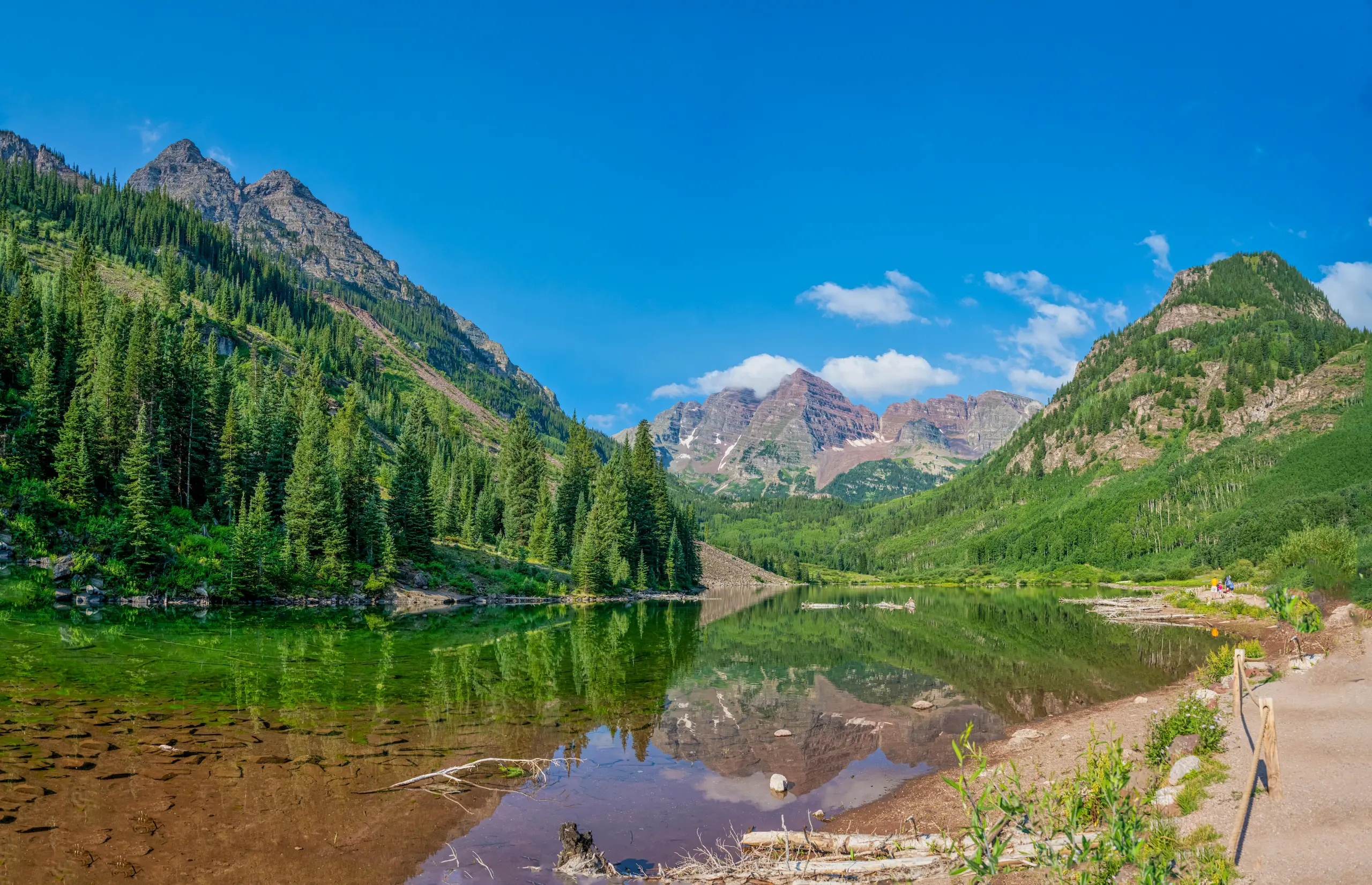
The Maroon Bells are the most photographed mountains in Colorado. The 12-mile Four Pass Loop around them is one of the best backpacking routes in the country — four passes over 12,000 feet, wildflower meadows, and the Maroon and Snowmass peaks as constant backdrop. This requires multi-day experience, proper gear, and bear canister use (required). It’s worth every step.
Colorado Hiking Essentials
- Layers: Mountain weather changes fast — pack a shell and mid-layer even in summer
- Lightning protocol: Off exposed ridges and summits by noon; no exceptions
- Water: 2–3 liters for any hike over 5 miles; filter from streams (Giardia is real)
- Sun protection: UV intensity at altitude is significantly higher than at sea level
- Permits: Check recreation.gov for any hike in RMNP or Maroon Bells area