Slovenia punches so far above its weight as a hiking destination that it borders on unfair to the other small European countries trying to compete. In a country roughly the size of New Jersey, you have the Julian Alps, Triglav National Park, the Soča River valley with its impossible turquoise water, the Karst region’s underground cave systems, and the Kamnik-Savinja Alps with almost no crowds. It’s one of the best outdoor destinations in Europe, and it’s consistently underbooked.
Triglav: The Summit That Defines the Country
Mount Triglav (2,864m) is on the Slovenian flag and in the national identity in a way that’s hard to overstate. The classic route from Kranjska Gora via the Vrata Valley is two days with an overnight at a mountain hut. The summit requires via ferrata equipment — fixed iron cables and pegs on the exposed upper section — and shouldn’t be attempted without some climbing experience or a guide. But if you have the skills, this is one of the great Alpine summits.
For those not ready for the summit: the trails in the Triglav area at lower elevations (the Seven Lakes Valley, Vrata Valley) are spectacular without the technical demands.
Mountain huts (koče): Slovenia’s network of mountain huts (koče) is excellent — staffed, with hot meals and dormitory or private rooms. Book ahead in July and August, particularly on popular routes. The huts are part of what makes multi-day hiking here accessible to non-backpackers.
Soča Valley: Emerald Water at Every Turn
The Soča River runs a color that looks digitally enhanced in photographs — a deep turquoise-green produced by limestone and glacial melt. The trail along the river (the Soča Trail, approximately 25km) passes waterfalls, gorges, and several points where you can swim in the river’s clear water. The Bovec area is the base for this region, with rafting and kayaking alongside hiking.
The Nadiža River valley nearby is less visited and equally beautiful. Rent a car from Bovec and drive the valley roads slowly — the roadside viewpoints are extraordinary.
Lake Bled Area: More Than the Postcard
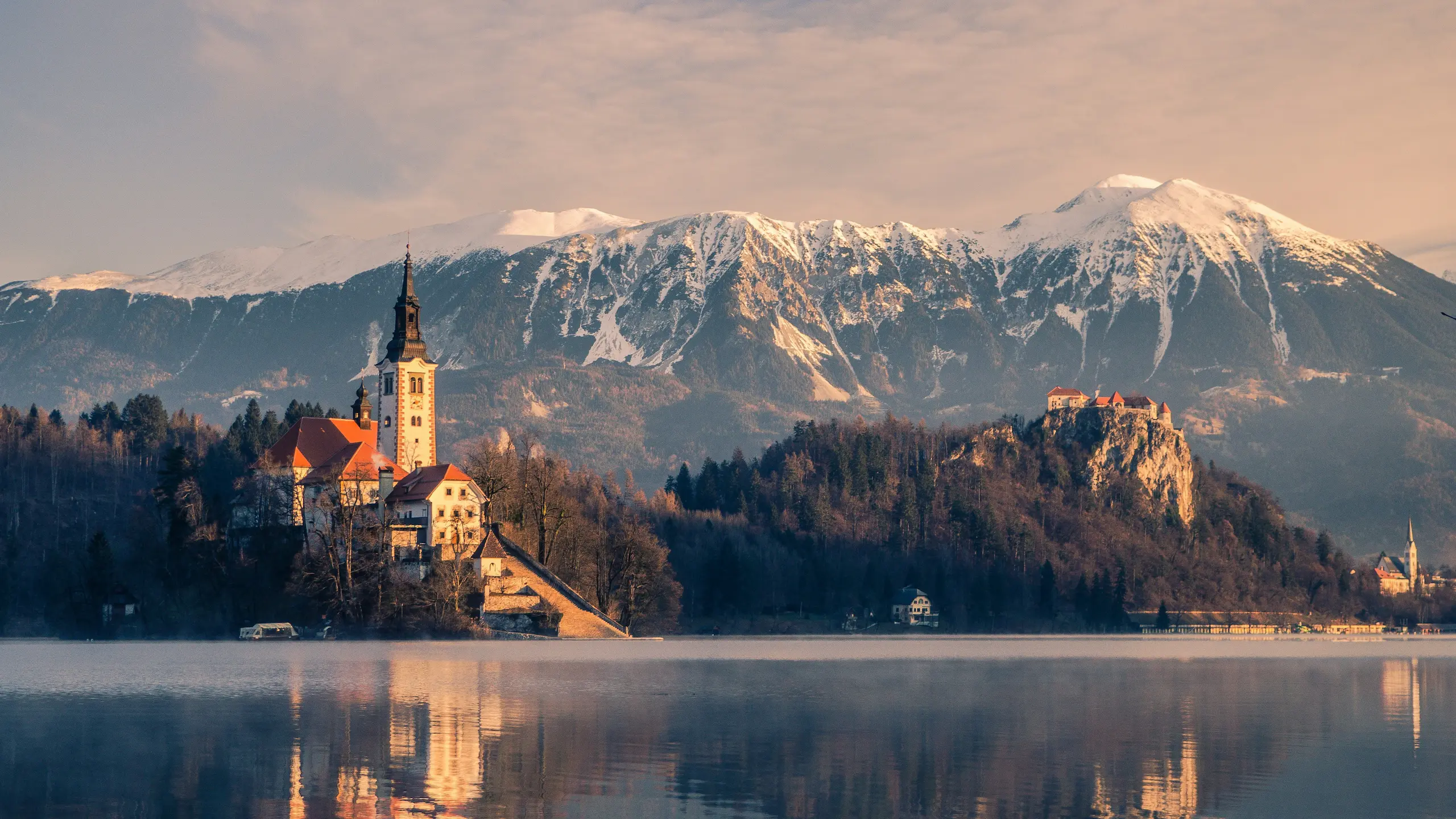
The view of Bled Island from Ojstrica viewpoint (reached via a steep 20-minute trail) is the most photographed image in Slovenia and justifiably so. But the trails above the lake — Mala Osojnica, Velika Osojnica — offer less crowded perspectives that are arguably better for photography and definitely better for solitude. The trails take 30–45 minutes from the lakeside and the morning light on the castle and island is exceptional.
Slovenia Hiking Logistics
- Best season: June–September for high Alpine routes; May and October for valley hikes
- National park entry: Triglav National Park has no entry fee; some areas require permits for overnight stays
- Mountain hut reservations: planinska-zveza.si (Slovenian Alpine Association) for hut booking
- Car rental: Essential for accessing trailheads outside the main tourist circuits
- Gear: Via ferrata set required for the Triglav summit; standard trail gear for everything else
Kamnik-Savinja Alps: The Uncrowded Alternative
East of Triglav, the Kamnik-Savinja Alps get a fraction of the tourist traffic despite comparable scenery. The Logar Valley (Logarska Dolina) is one of the most beautiful glacial valleys in the Alps — an official natural monument accessible by car from Ljubljana in about 1.5 hours. The trails above the valley floor reach 2,000m without the crowds of the Bled or Triglav areas. This is Slovenia for people who’ve already done the highlights and want to go deeper.