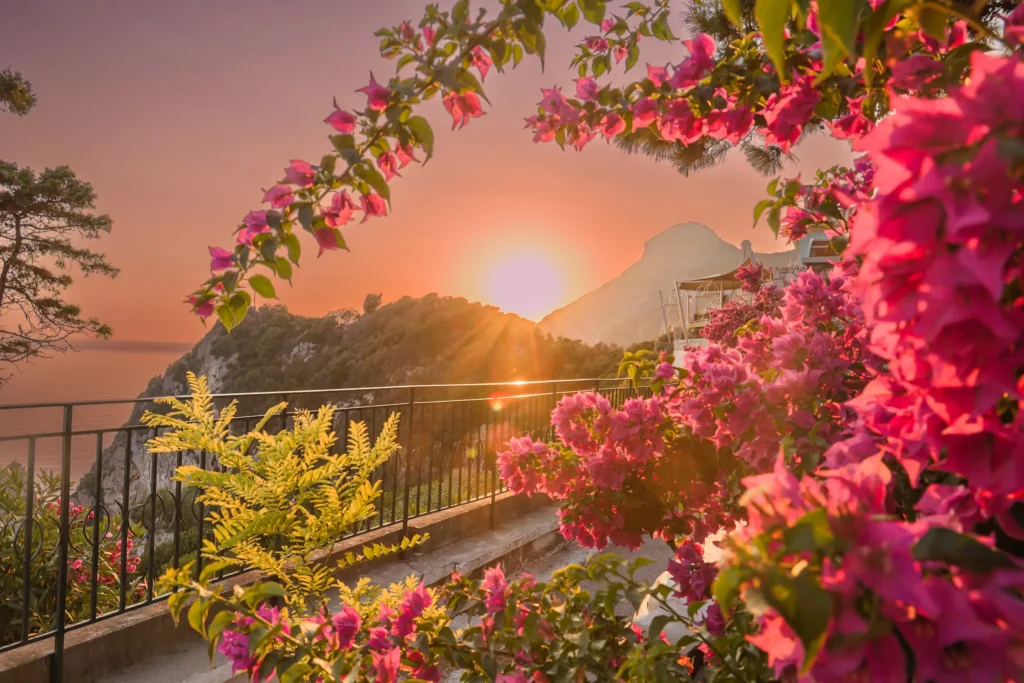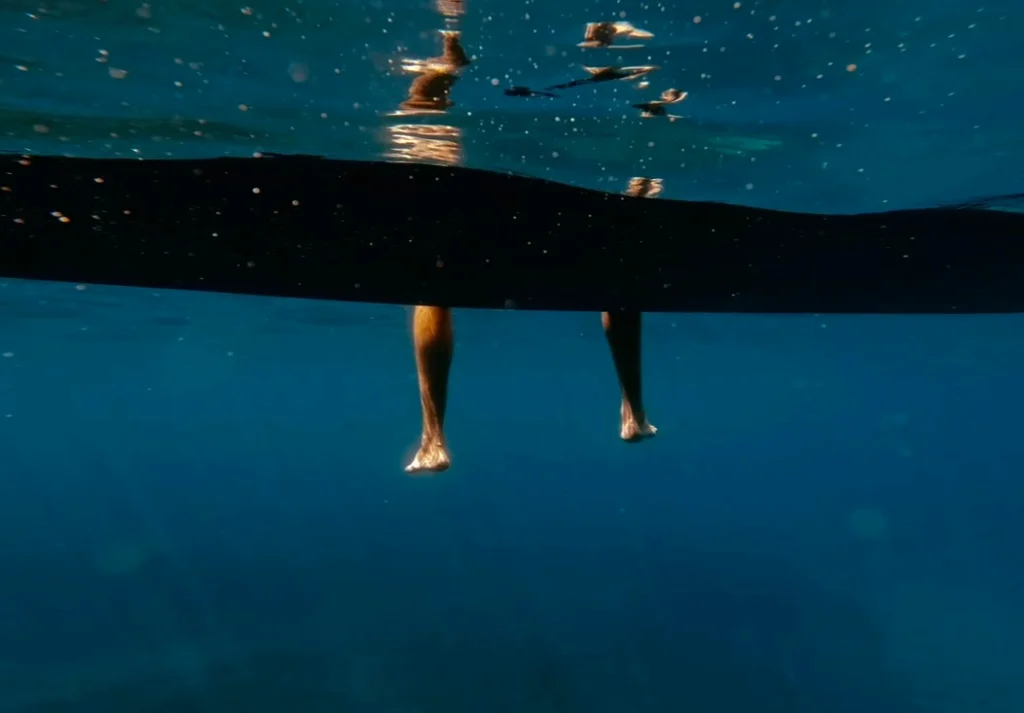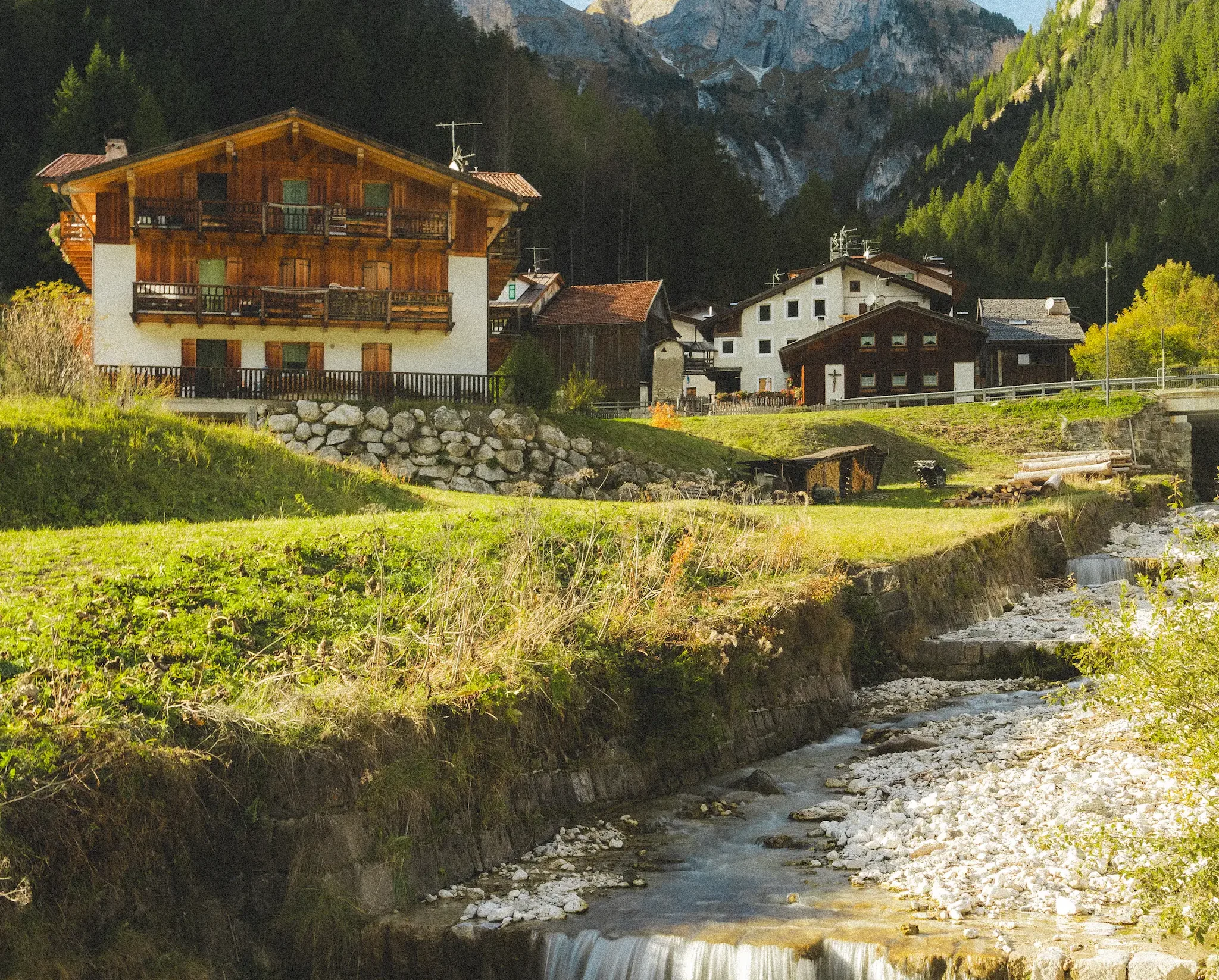
You can’t perfectly replicate analog photography with a digital camera. Film is a physical medium — the grain is silver halide crystals reacting to light, the colors are a result of dye layers developed in chemistry. That’s not something a sensor can reproduce exactly.
But you can get close. Close enough that viewers will ask what film you shot on. Here’s how to do it in Lightroom, starting from a raw file.
1. Flatten the Image First
Film doesn’t have the extreme dynamic range of modern digital sensors. The blacks aren’t truly black and the highlights don’t blow out the way a high-contrast digital edit does. So the first step is to reduce that digital sharpness.
- Lower your Whites significantly (try -30 to start)
- Lift your Blacks up (+15 to +25)
- Pull Highlights down
- Push Shadows slightly up
Then go to your Tone Curve. Lift the bottom-left anchor point (the shadows) about 10–15 units off pure black. This is the single most important film-look move — it’s what creates that faded, matte base that all film stocks share to varying degrees.
2. Add Grain and Vignette
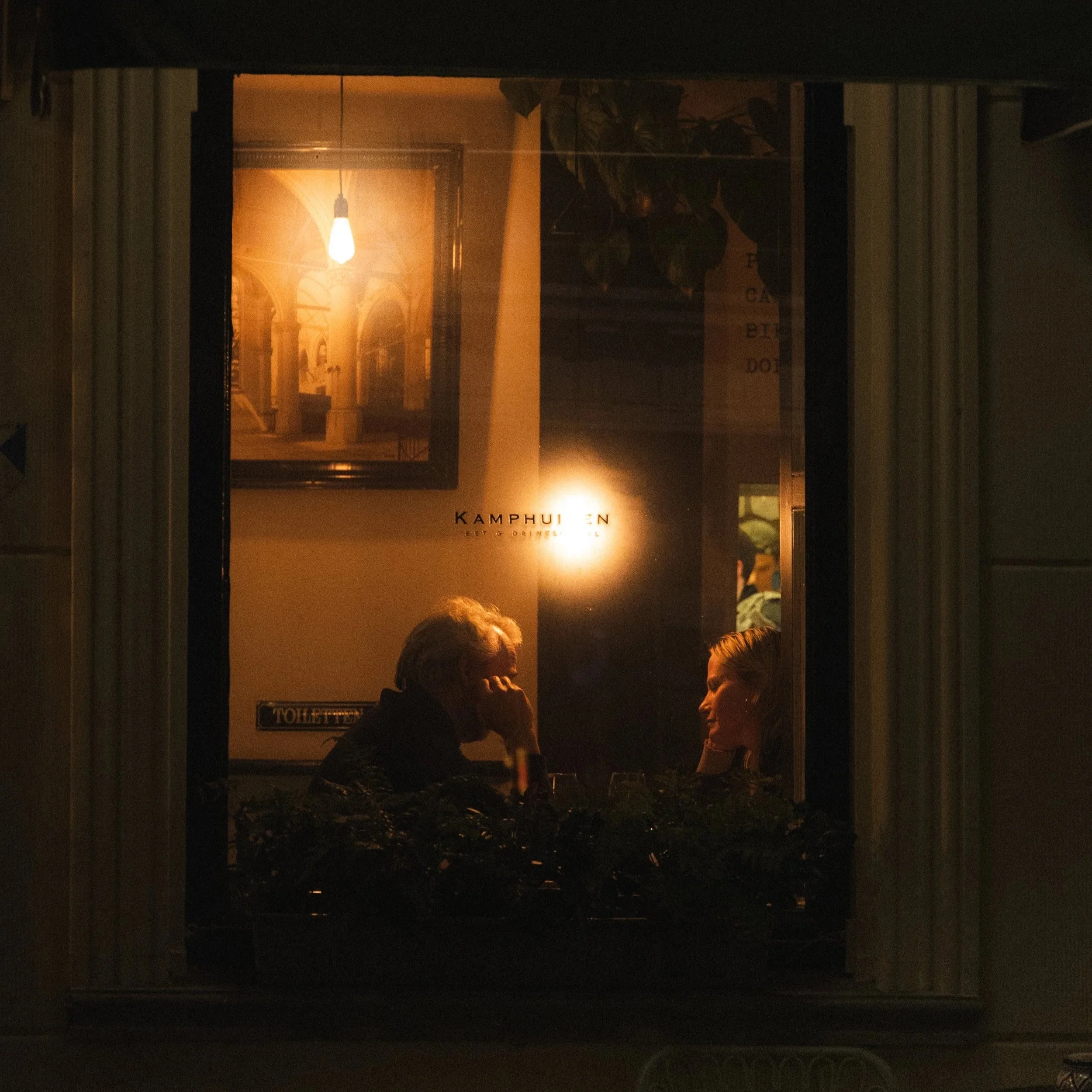
This is where most people go wrong — they add too much. Film grain should feel organic, not like a Photoshop filter. Think texture, not noise.
Grain Settings (Lightroom)
- Amount: 20–30
- Size: 20–25
- Roughness: 40–60
For vignette, keep it subtle. A mild feathered vignette draws the eye inward without screaming “Instagram filter.” Try Midpoint at 50 and Feather at 80, with Amount around -15.
3. Reduce Sharpness and Clarity
Film lacks the micro-contrast that modern cameras capture by default. Digital images can look almost unnatural in their sharpness. Pulling Clarity down by 5–10 introduces that organic softness without losing the fundamental definition of the image.
You can also reduce Detail sharpening slightly — film grain softens fine details naturally.
4. Color Shifting with HSL
This is where you get to choose your film stock’s character. Different films have different color signatures — Portra 400 is warm and skin-toned. Kodak Gold is saturated with a slight green cast. Fuji Velvia is ultra-vivid. Pick one and push toward it.
For a Portra-style warmth:
- Lower green saturation in HSL
- Shift blue toward teal (Hue: +10 to +20)
- Boost orange luminance slightly
- Warm the temperature slightly (+200 to +500K)
Quick Starting Point: These are not universal — they’re a foundation. Every image is different. Adjust from here rather than applying blindly.
Quick Settings Reference
- Contrast: −10
- Highlights: −30
- Shadows: +20
- Blacks: +15
- Clarity: −8
- Texture: −5
- Grain Amount/Size/Roughness: 25 / 22 / 50
- Temperature: +10 (to taste)
- Tone Curve shadows: lift +12
The result won’t be identical to shooting actual film — nothing is. But applied well, it will feel considered and specific rather than filtered. That’s the difference between a film-inspired photograph and one that just has grain slapped on it.